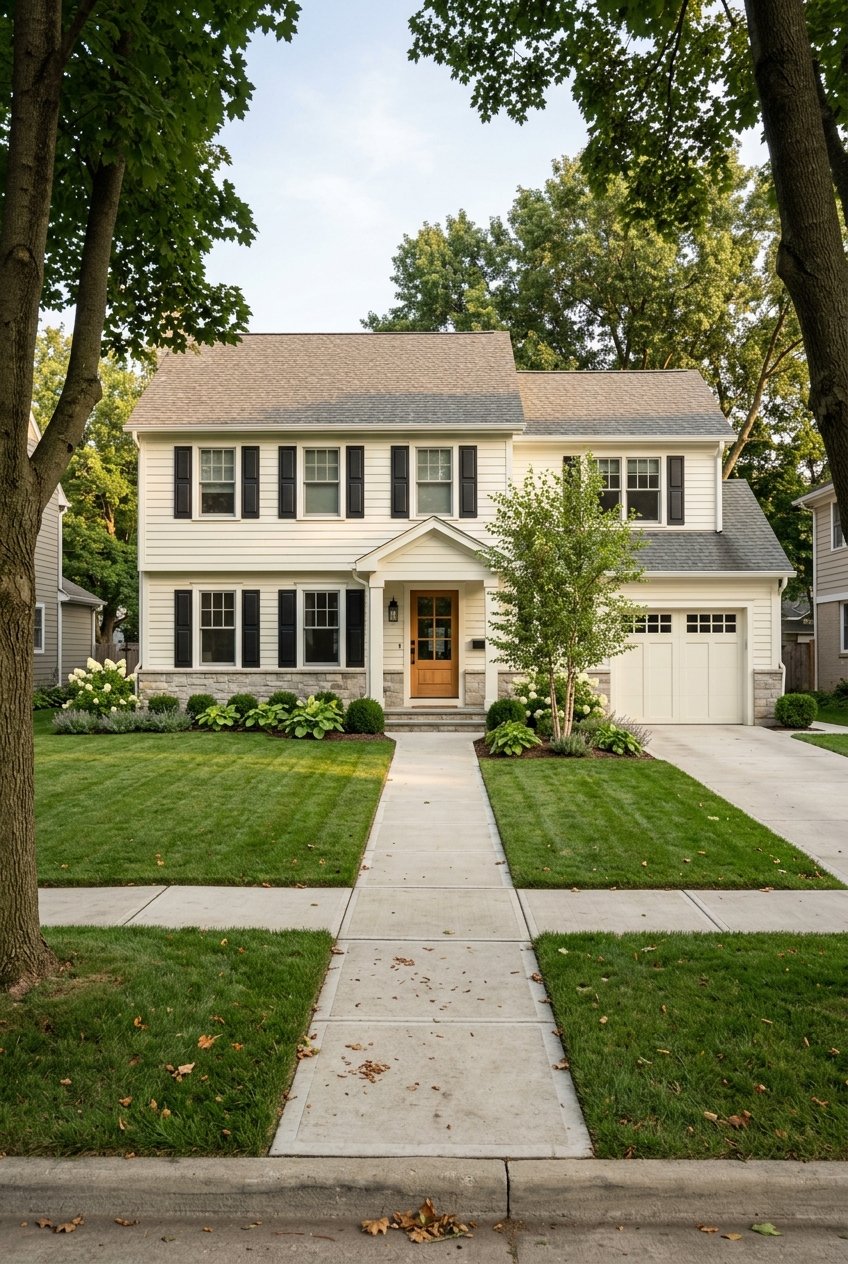
If you want a suburb that gives you room to breathe without giving up everyday convenience, Webster should be on your radar. Many buyers are looking for that sweet spot: access to the outdoors, a manageable commute, and neighborhoods that feel established rather than brand new. Webster offers that mix, with Lake Ontario shoreline, a large park system, familiar shopping corridors, and a traditional village center that adds another layer of day-to-day ease. Let’s take a closer look.
Why Webster Stands Out
Webster is an established town in Monroe County with an estimated population of 45,343 as of July 2024. For many buyers, that translates to a community large enough to support services and recreation, while still feeling more residential than urban.
The numbers also point to a stable homeowner base. The owner-occupied housing rate is 70.8%, the median owner-occupied home value is $269,000, and the median gross rent is $1,489. If you are comparing east side suburbs, those figures help frame Webster as a place with a strong residential foundation.
Lakefront Living in Webster
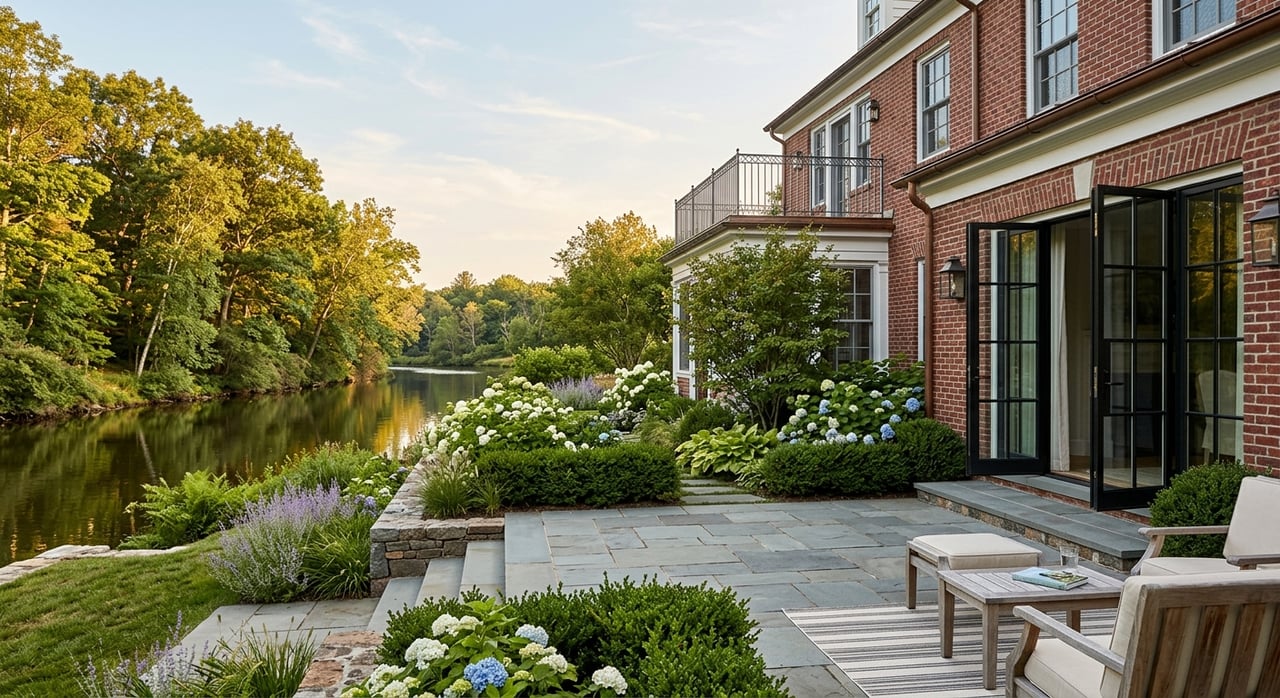
One of Webster’s biggest lifestyle draws is its relationship to the water. The town has more than 22 miles of shoreline along Lake Ontario and Irondequoit Bay, but only one mile of public access, which makes its public waterfront areas especially meaningful in daily life.
That limited public access shapes the experience here. You may not find public waterfront at every turn, but the places that do exist carry real value for residents who want to get outside, enjoy the views, or spend time near the water without driving far.
Webster Sandbar Access
The Webster Sandbar is one of the town’s most distinctive waterfront areas. According to the town, this narrow strip spans Irondequoit Bay and includes frontage on both the bay and Lake Ontario.
Sandbar Park offers practical, usable amenities rather than just scenic appeal. The site includes a playground, fishing, a canoe and kayak launch, seasonal restrooms, and picnic space right by the water. If you picture weekend mornings, evening walks, or quick summer outings close to home, this is the kind of place that helps define Webster’s appeal.
Webster Park on Lake Ontario
Webster Park is another major part of the town’s outdoor identity. Monroe County describes it as a 550-acre park on Lake Ontario with a fishing pier, camping, tennis and pickleball courts, and a dog park.
For buyers thinking about year-round livability, that matters. A large waterfront park adds more than scenery. It creates options for recreation, exercise, gatherings, and seasonal routines that can become part of how you actually live day to day.
Parks and Trails Across Town
Webster’s outdoor appeal goes well beyond the shoreline. The Town of Webster says its Parks and Recreation Department maintains nearly 1,030 acres of parkland and open space along with nearly 25 miles of trails.
The town also says 2,914.1 acres of land have been preserved so they will never be developed. That preserved open space helps explain why Webster can feel green and open even as it continues to grow.
What Daily Outdoor Access Looks Like
Webster’s park network includes:
- North Ponds/Charles E. Sexton Memorial Park
- Four Mile Creek Preserve
- Whiting Road Nature Preserve
- Gosnell Big Woods Preserve
- Kent Park and the Webster Arboretum
- Ridge Park
- Ridgecrest Park
- Finn Park
- Empire Park
- First Responders Park
According to the town, these spaces support walking, biking, fishing, bird watching, athletic fields, and year-round outdoor use. That range is a big plus if you want more than a single signature park and prefer having multiple options spread throughout town.
Commutes and Everyday Convenience
Lifestyle is important, but so is the rhythm of your regular week. Webster’s average commute time is 21.0 minutes, which is useful context if you work in Rochester or need to get around the east side suburbs.
The road network is built around a few key routes rather than a tight street grid. The town identifies Routes 104 and 404 as the primary east-west links to Rochester and the greater Rochester area, while Route 250 is the main north-south route through the village and areas farther north.
Shopping and Services
Most of Webster’s commercial activity is concentrated along the Route 404 and Ridge Road corridor. The town’s comprehensive plan identifies major retail centers in the area south of Route 104 and north of Ridge Road, including Webster Square, Webster Plaza at Hard Road, Wegmans Plaza at Holt Road, and Lowe’s.
For many households, that setup is practical. Errands, grocery runs, home improvement stops, and everyday services are clustered along familiar routes, which can make daily routines more efficient.
Village Convenience
Webster also offers a different kind of convenience in its village core. The Village of Webster, incorporated in 1905, has a traditional Main Street area with sidewalks, historic-scale commercial buildings, and a mix of commercial, civic, residential, and office uses.
Village design guidelines describe Main Street, Route 250, South Avenue, and North Avenue as a pedestrian-oriented mixed-use center. In plain terms, that means the village can feel more compact and walkable than the larger commercial strips elsewhere in town.
Housing Styles and Neighborhood Feel
Webster is not one-size-fits-all. One of the reasons buyers often like this market is that different parts of town offer different physical settings, home styles, and street patterns.
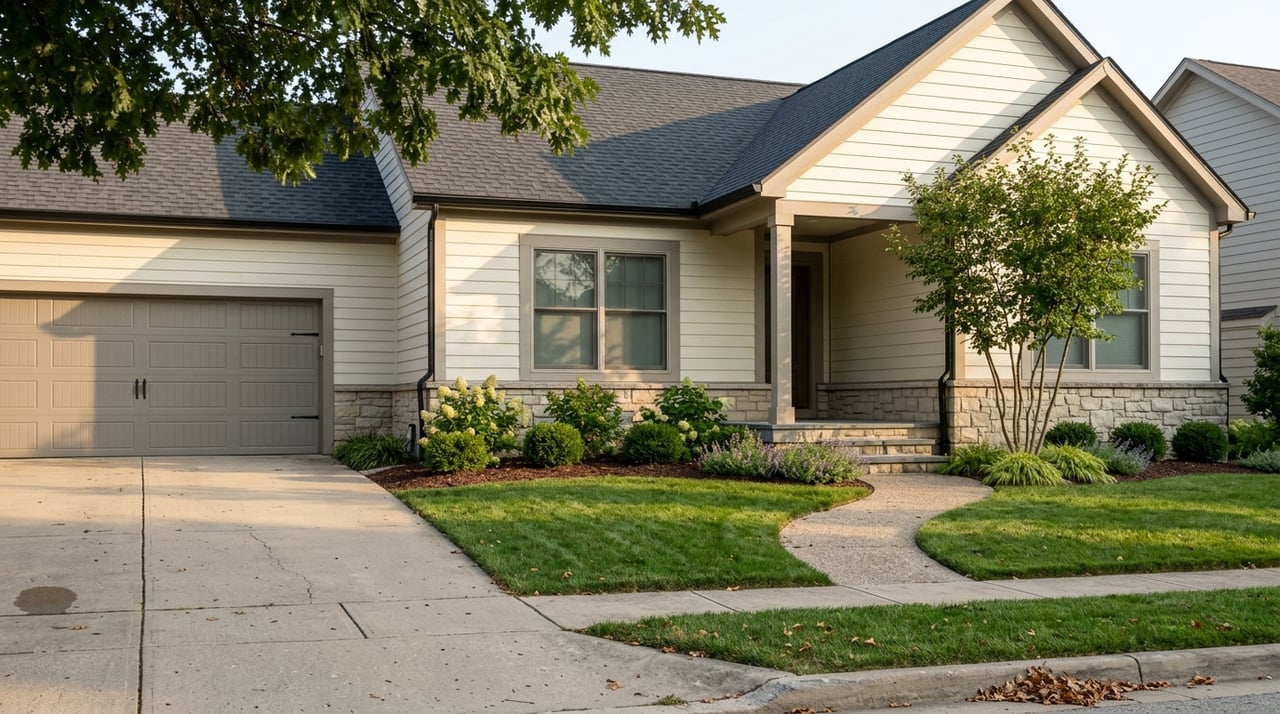
The town’s comprehensive plan says most Webster neighborhoods are single-family only and have an attractive suburban, open quality with mature trees and landscaping. That older established feel is a defining part of the town’s character.
Older Subdivisions and Established Streets
North of Route 104, many older postwar subdivisions include one- to two-story homes that are predominantly colonial in style. If you like mature lots, established streets, and a more classic suburban layout, these areas often fit that description.
East of Bay Road and south of Klem Road, the town describes a mix of older farmhouses and early postwar suburban homes, along with newer subdivisions on curved streets and cul-de-sacs. That combination can appeal to buyers who want variety rather than a single repeated housing type.
Wooded and Low-Density Areas
East of Bay Road and north of Klem Road, the town describes larger single-family homes in a more wooded, low-density setting. This area also includes lake frontage that is usually private rather than publicly accessible.
That distinction matters if you are drawn to a quieter setting or larger homesites. It is a different experience from the denser inland subdivisions and from the village core.
The Sandbar Micro-Market
The Webster Sandbar has its own housing identity. The town describes it as a narrow waterfront strip with single-family residences and a few small commercial uses, where homes are mostly one- and two-story wood-frame structures set closely together.
This is one of the more unique pockets in Webster. It feels physically shaped by the waterfront in a way that is very different from standard suburban neighborhood patterns.
Townhomes and Other Options
Webster is not limited to detached homes. The town’s comprehensive plan says townhouse and apartment development is concentrated mainly along the Ridge Road corridor and south of it.
Current town development pages also show a mix of single-family and townhouse projects under construction. Examples listed by the town include Bella Terra Phase II with 54 two-unit townhouse units, Creek’s Edge Section 2 with 12 townhouse-style homes, and several single-family projects such as Meadows Two, Westwood Section III, Landon Woods, Providence Estates, Tall Birch Phase II, Woodsview Pond Phase 2, and Aberdeen Estates.
What Living in Webster Feels Like
Webster’s appeal is not just one thing. It is the combination of lake access, broad park options, preserved open space, practical retail corridors, and a village center that breaks up the usual suburban pattern.
For some buyers, the biggest draw is being close to Lake Ontario and parks. For others, it is the established neighborhoods, reasonable commute context, or the choice between a classic subdivision feel, a village setting, or newer development. Webster gives you several ways to live, which is part of why it continues to attract steady interest.
If you are thinking about buying or selling in Webster, having local guidance matters. Different sections of town can feel very different in person, and the right fit often comes down to how you want your daily life to look. If you want help comparing neighborhoods, housing options, or timing your move, Bonnie Pagano can help you make a smart, low-stress plan.
FAQs
What is Webster, NY known for in daily life?
- Webster is known for its mix of suburban neighborhoods, Lake Ontario and Irondequoit Bay access, a large park system, preserved open space, major shopping corridors, and a more traditional village center.
How much parkland and trail access does Webster, NY have?
- The Town of Webster says it maintains nearly 1,030 acres of parkland and open space and nearly 25 miles of trails.
Does Webster, NY have public lakefront access?
- Yes, but public access is limited. The town says Webster has just one mile of public access along the Lake Ontario and Irondequoit Bay waterfront, even though it has more than 22 miles of shoreline.
What are the main shopping areas in Webster, NY?
- Most commercial activity is concentrated along the Route 404 and Ridge Road corridor, including areas such as Webster Square, Webster Plaza at Hard Road, Wegmans Plaza at Holt Road, and Lowe’s.
What kinds of homes can you find in Webster, NY?
- Webster includes many single-family neighborhoods, older postwar subdivisions, some older farmhouses, wooded low-density areas, waterfront homes on the Sandbar, and townhome or apartment development mainly along the Ridge Road corridor and south of it.