Thinking about moving to Rochester? You are not alone, and you are probably asking the same practical questions most newcomers do: How fast is the market, what does your budget actually buy, and how do you narrow down where to live without wasting time? If you are relocating from out of town, the biggest win is having a clear plan before you start touring homes. This guide will help you understand Rochester’s market, housing options, commute patterns, and remote-buying process so you can move forward with more confidence. Let’s dive in.
Rochester Market Moves Fast
If you are relocating to Rochester, one of the first things to know is that this is a competitive market. As of May 2026, Redfin reports a median sale price of $164,901, 406 homes sold, and a median of 12 days on market. Zillow’s citywide home value estimate is $247,928, with homes going pending in around 8 days.
Those numbers measure different things, but they point to the same reality: homes can move quickly. Redfin also notes that many homes receive multiple offers. For you, that means preparation matters as much as budget.
Why speed matters for newcomers
If you are buying from out of town, delays can cost you options. A home that looks promising on Monday may already be under contract by the time you plan a weekend visit. That is why your search works best when you get organized early and focus on homes that fit your needs from the start.
A strong first step is mortgage pre-approval. According to NAR, pre-approval uses verified financial information and can be required when making an offer. It also helps you shop with a real budget instead of a rough guess.
What Rochester Housing Looks Like
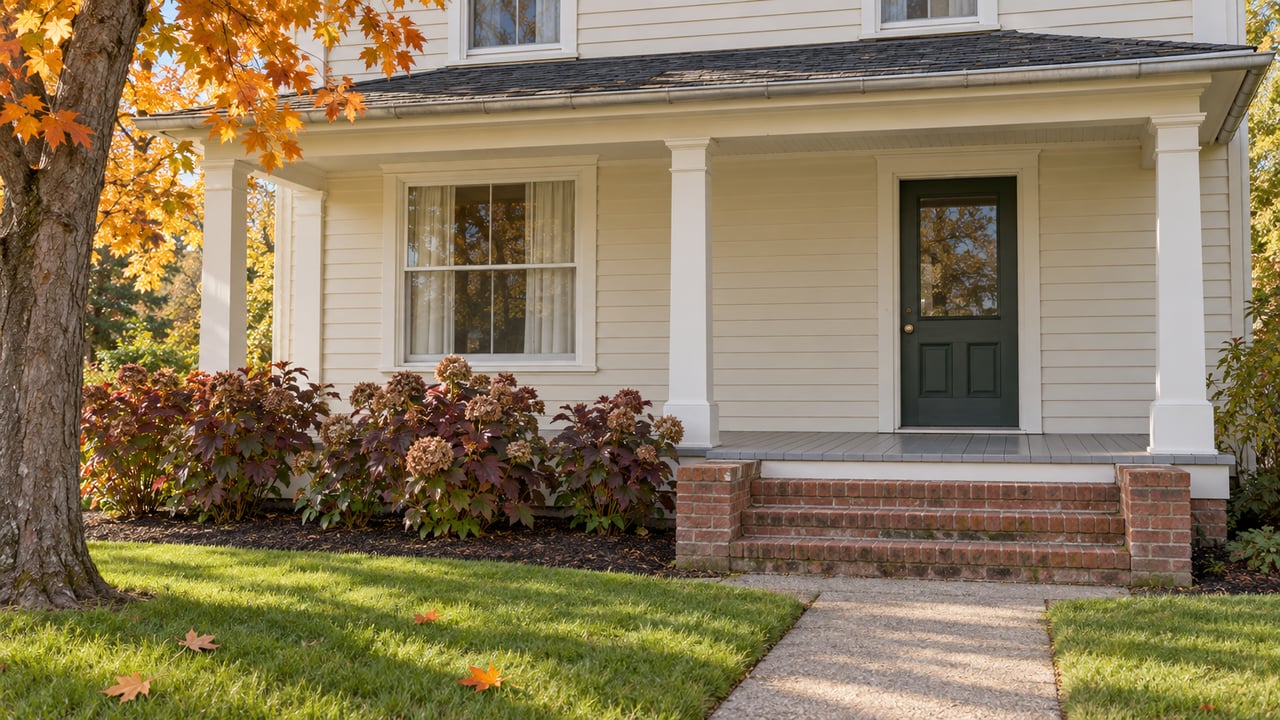
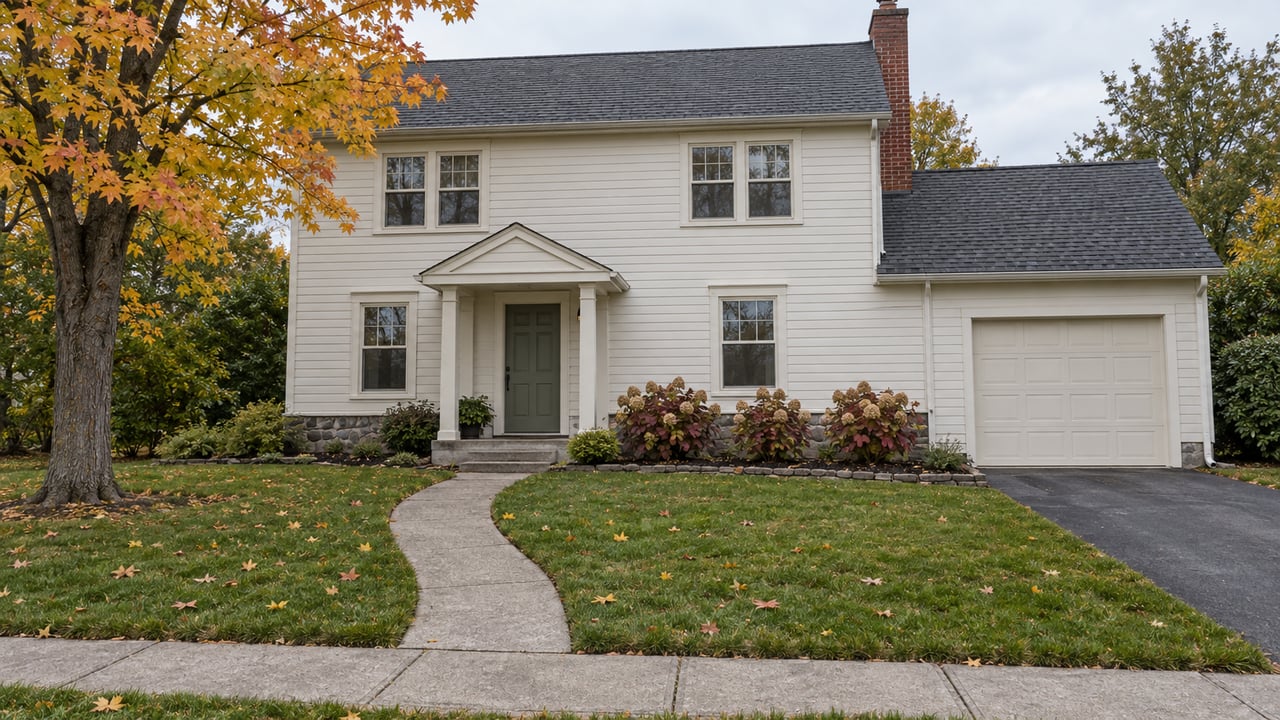
Rochester offers a wide range of housing styles, price points, and neighborhood patterns. The City of Rochester describes the area as a city of neighborhoods with porches, sidewalks, local shopping, schools, and distinctive architecture. For a newcomer, that variety can be a real advantage because you can compare walkable city living, historic character, and more suburban settings without leaving Greater Rochester.
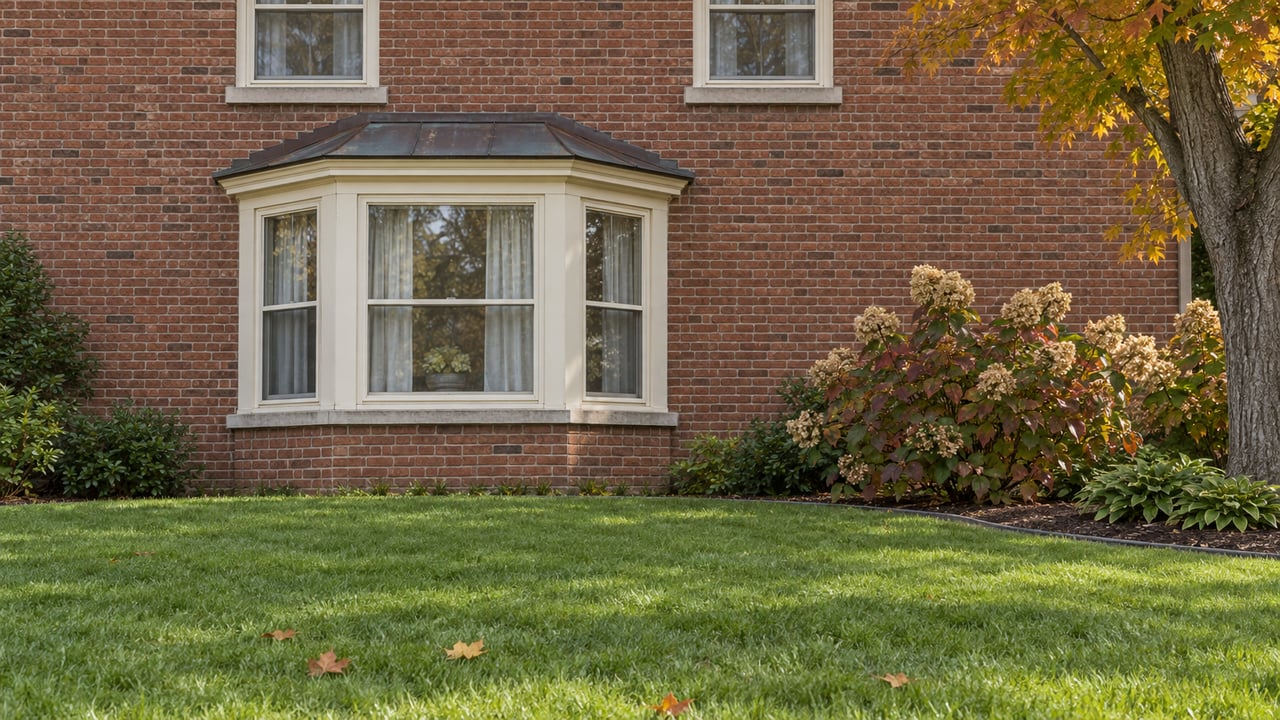
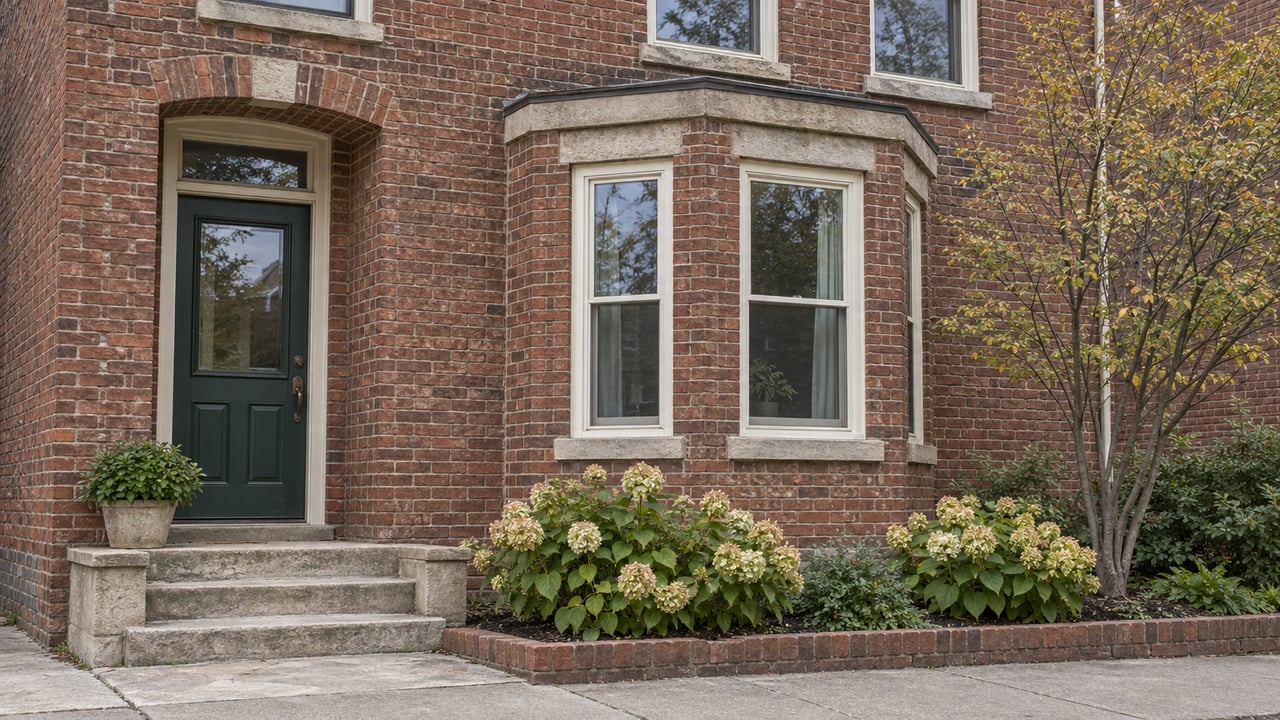
Older homes are a major part of the local housing stock. Rochester preservation materials identify styles such as Greek Revival, Italianate, Second Empire, Queen Anne, bungalow/Craftsman, and American Foursquare. If you enjoy character homes, Rochester gives you plenty to explore.
Historic homes need extra homework
Character can be a huge plus, but it comes with added responsibility. If a property is in a preservation district or designated landmark area, some exterior work may require city review and a Certificate of Appropriateness before permits are issued. That is an important detail to confirm before you budget for updates.
For buyers who love older homes, this does not have to be a drawback. It simply means you should understand the rules before you make plans for windows, siding, additions, or other exterior changes.
What Your Budget May Buy
One of Rochester’s biggest draws is the range of entry points across the market. Inside the city, Zillow neighborhood values show meaningful differences from one area to another. Current examples include about $101,855 in Genesee-Jefferson, $137,410 in Beechwood, $239,651 in South Wedge, $261,483 in Corn Hill, $407,730 in Park Avenue, $415,474 in Cobbs Hill, $464,164 in East Avenue, and $486,339 in the Central Business District.
That spread matters when you are relocating because it shows how different your options can be within the same city. You may be able to choose between a lower price point, a more updated home, a different commute setup, or a more walkable area depending on what matters most to you.
How suburbs compare
Nearby suburbs are generally priced higher on current Zillow data. Average home values are about $314,341 in Henrietta, $399,940 in Webster, $405,184 in Penfield, $412,449 in Fairport, and $525,618 in Pittsford.
This gives you a practical way to think about Rochester’s market tiers. City entry points can be much lower, while many east-side suburban towns sit well above the city median. If you are relocating with a set budget, it helps to compare monthly payment impact early instead of assuming every Rochester-area option is priced the same.
Lower-cost city opportunities
The City of Rochester also highlights programs that may be relevant for some buyers. Buy The Block model homes are currently listed from $99,000 to $124,927, and the city offers homebuyer assistance, housing rehab programs, and counseling partners.
These programs may be especially worth a look if you are open to older homes, fixer-uppers, or lower entry price points in city neighborhoods. They also show that affordability in Rochester is not just a talking point. In some parts of the market, it is still visible in real inventory and public programs.
How to Think About Rochester Neighborhood Fit
When you relocate, the right home is only part of the decision. Your day-to-day experience also depends on how the area fits your routine, comfort level, and transportation needs. Rochester’s mix of neighborhood types gives you real choices, but it also means you should be specific about what matters most.
A useful local example is Park Avenue. The city describes it as an urban village where shops, restaurants, offices, and services are supported by surrounding residential neighborhoods. That makes it a helpful comparison point if you are deciding between mixed-use city living and a more car-oriented suburban pattern.
Focus on daily-life factors
HUD’s homebuying checklist recommends looking at convenience to work, supermarkets, highways, public transportation, recreation, and the airport. In Rochester, it is also smart to think about snow-season practicality, parking, driveway or garage fit, and how easily you can get onto the routes you will use every week.
If you are unsure where to start, build a short list based on your real routine. Think about where you work, how often you want to drive, whether you prefer walkable surroundings, and how much home maintenance you are willing to take on.
Rochester Commutes Are About Corridor Access
Many newcomers assume commute decisions are mostly about distance. In Greater Rochester, access can matter more than miles on paper. The Genesee Transportation Council shows that major traffic volumes run through corridors like I-90, I-490, I-390, and I-590.
NYSDOT describes I-490 as a major access route from the Greater Rochester International Airport and a gateway to Rochester’s western neighborhoods and Central Business District. The practical takeaway is simple: the best commute is often the home that connects well to the roads you will actually use, not just the one that looks closest on a map.
Transit can be part of the plan
If you are hoping to stay car-light, Rochester does offer transit options to consider. RTS says its downtown Transit Center is fully enclosed and climate controlled, and its Transit app provides real-time trip planning and fare payment in Monroe County.
That can be useful if you are considering downtown, university-area, or inner-neighborhood living. Even if you plan to drive most of the time, knowing your backup options can help you compare locations more realistically.
A Smart Relocation Plan
Relocating buyers usually do best when they follow a simple, practical sequence. A fast market leaves less room for indecision, so having a process can reduce stress and save time.
Step 1: Get pre-approved early
NAR says pre-approval is based on verified financial information, and CFPB advises buyers to compare official loan offers before choosing a mortgage. This gives you a clearer price range and helps you act faster when the right home appears.
Step 2: Narrow your search before you travel
Use neighborhood-based research to create a short list. The City of Rochester points buyers to Rochester City Living for neighborhood-by-neighborhood home searches, and the city also supports pre-purchase education and financial counseling through local partners.
The goal is to avoid touring ten homes that are only vaguely right for you. Instead, arrive with a focused plan built around budget, commute, home style, and must-have features.
Step 3: Use virtual tools first
For long-distance buyers, virtual walk-throughs and remote screening can be a major advantage. They help you rule out homes that look good online but do not fit your layout needs, update tolerance, or location priorities.
This is especially useful in Rochester’s quick-moving market, where you may need to decide whether a property is worth an in-person visit on short notice.
Step 4: Make your visit count
When you do come to town, use the trip wisely. Test the commute, walk the block, notice noise levels, check parking, and think honestly about the home’s maintenance demands.
A short visit can still be productive if you focus on how the home will function in real life. This is often the difference between a home that looks good online and one that actually works for you after the move.
Step 5: Plan the closing details early
CFPB’s closing checklist recommends knowing who will conduct the closing, where it will happen, what you need to bring, and how taxes or insurance may affect your monthly payment. It also emphasizes reviewing documents before signing and handling change-of-address steps as part of the process.
For relocation buyers, early coordination matters because there are often more moving pieces. Travel timing, lender deadlines, inspections, and move logistics all need to stay aligned.
Why Local Guidance Helps
A relocation move usually involves more than finding a house. It often means compressing tours, lining up inspections, coordinating timelines, and making decisions from a distance. In a market like Rochester, that local support can make the process feel much more manageable.
That is where broker-level guidance and responsive communication can really help. The Bonnie Pagano Team works with buyers across Rochester, Webster, Pittsford, Penfield, Fairport, Henrietta, and nearby communities, with experience supporting long-distance clients, character-home buyers, and people trying to make smart decisions on a compressed timeline.
If you are considering a historic property, an older home that may need updates, or simply want help sorting through city versus suburb options, having local insight can save you from avoidable surprises. When you have a clear strategy and the right support, relocating to Rochester becomes much easier to navigate.
If you are planning a move and want practical local guidance, reach out to Bonnie Pagano for help narrowing your options and building a relocation plan that fits your goals.
FAQs
What is the Rochester NY housing market like for relocating buyers?
- Rochester is a fast-moving market, with Redfin reporting a median 12 days on market in May 2026 and Zillow showing homes going pending in around 8 days, so being prepared matters.
How much do homes cost in Rochester NY?
- Prices vary widely by area, with Zillow neighborhood values ranging from about $101,855 in Genesee-Jefferson to about $486,339 in the Central Business District, while nearby suburbs such as Webster, Penfield, Fairport, and Pittsford trend higher.
Should you buy in the city of Rochester or the suburbs?
- The best fit depends on your budget, commute, housing style, and daily routine, since city neighborhoods may offer lower entry points and walkable areas while many suburbs have higher average home values.
What should remote buyers do before relocating to Rochester NY?
- Start with mortgage pre-approval, compare loan offers, create a short list based on budget and daily-life needs, and use virtual tools before scheduling an in-person visit.
Are historic homes common in Rochester NY?
- Yes, Rochester has many older and architecturally distinctive homes, and some properties in preservation districts may require city review before certain exterior changes are approved.
How should you evaluate a Rochester commute?
- Focus on access to major corridors like I-490, I-390, I-590, and I-90, because commute convenience often depends more on route access than straight-line distance.
Does Rochester have public transit for newcomers?
- Yes, RTS serves Monroe County and offers real-time trip planning and fare payment through its app, which can be especially useful for downtown and inner-neighborhood living.