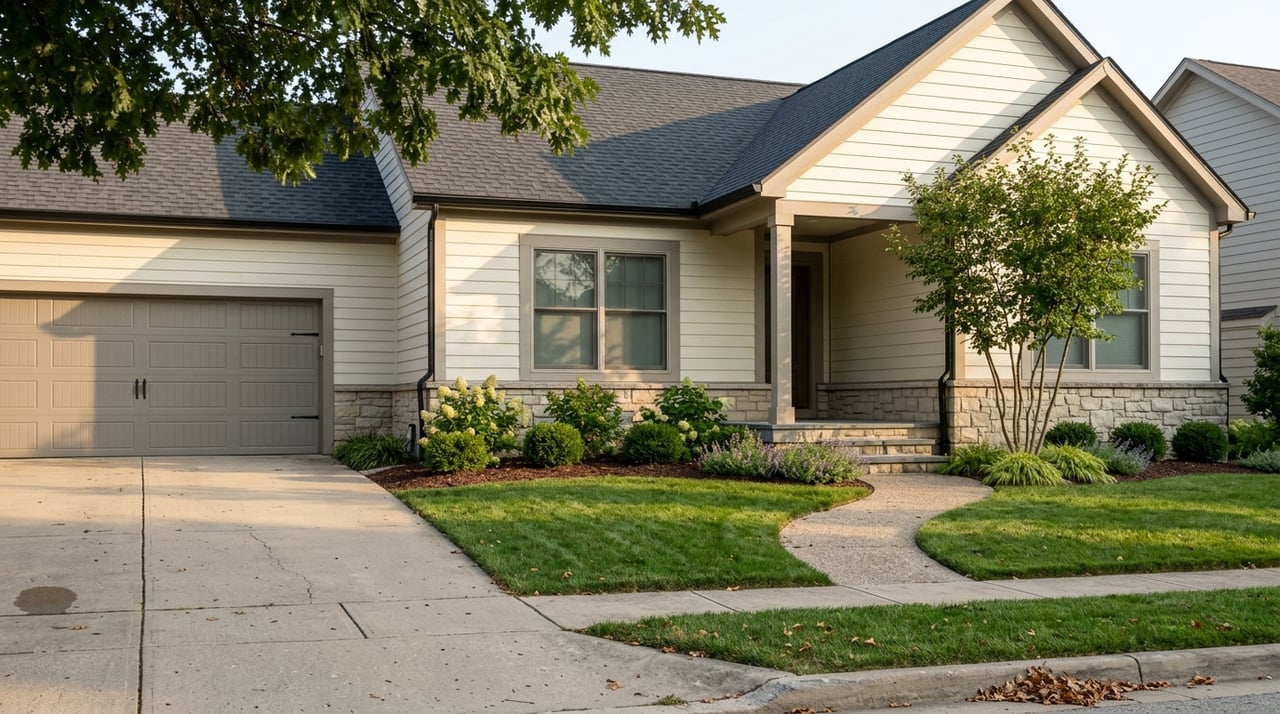
If you want to buy a home in Penfield, you need more than a saved search and a weekend plan. Homes here are moving fast, inventory is limited, and strong offers often come together quickly. The good news is that when you understand the steps from offer to closing, you can make smart decisions with less stress and more confidence. Let’s dive in.
Penfield Market Conditions
Penfield remains a fast-moving seller’s market. Recent data from major housing platforms shows limited inventory, homes going pending quickly, and median days on market ranging from about one week to under a month depending on the source and time frame.
That difference in numbers is normal because each platform tracks the market a little differently. Even so, the big picture is consistent: if you are buying in Penfield, you should expect competition, quick decisions, and a need to stay organized from day one.
What Fast Turnover Means for You
Redfin reports that many Penfield homes receive multiple offers, and some buyers waive contingencies to compete. Hot homes can go pending in about 7 days, which means waiting too long can cost you the chance to move forward.
For you, that makes three things especially important: preapproval, a realistic budget, and quick communication. If you know your numbers and your priorities before you find the right house, you can act with more confidence when the market speeds up.
Get Ready Before You Offer
A strong home search starts well before you write an offer. In a market like Penfield, preparation helps you avoid rushed choices and keeps you from falling in love with a home that does not fit your full budget.
Your monthly payment is only one part of the picture. You should also be ready for property taxes, insurance, closing costs, moving expenses, repairs, and home improvements.
Build a Full Budget
It helps to look beyond the purchase price and ask what ownership will really cost month to month. In Monroe County, property taxes are a major carrying cost, not a small add-on, and actual bills can vary based on assessment, district boundaries, and special districts.
The county publishes separate town and county tax tables as well as separate school tax schedules. That means your tax picture in Penfield depends on the specific property, so you will want to factor that in early instead of treating it as a surprise later.
Plan Carefully if You Must Sell First
If you already own a home, timing matters even more. Consumer guidance notes that buyers who need to move often try to sell their current home before buying another one, and that coordination becomes more important in a market where homes move quickly.
For move-up buyers, lining up two transactions can be one of the hardest parts of the process. A clear plan for timing, financing, and possession can help you avoid getting squeezed between a fast purchase and an unfinished sale.
Compare Lenders the Smart Way
After you apply for a mortgage, the lender must give you a Loan Estimate within three business days. This form is one of the most useful tools you have because it lets you compare interest rate, monthly payment, and closing costs across lenders.
In a competitive market, the best lender is not always the one with the lowest advertised rate. You also want a lender that can meet the contract timeline and communicate clearly as your file moves toward closing.
Writing an Offer in New York
Once you find a home you want, your offer needs to balance strength with protection. In Upstate New York, the offer or contract is often drafted by the real estate agent and then reviewed by the parties’ attorneys before the mortgage commitment stage.
That local practice makes the process feel a little different from what you may read in broad national guides. In New York, attorney review is a meaningful part of the path from accepted offer to fully signed contract.
Contingencies Still Matter
In a competitive market, you may hear a lot about waived contingencies. Even so, buyer guidance recommends making offers contingent on financing and a satisfactory inspection so you are not contractually required to close if your loan falls through or the inspection uncovers major defects.
That does not mean every offer looks the same. It means you should understand what protections you are giving up, what risks you are taking on, and how each term affects your leverage and your peace of mind.
Review the Property Condition Disclosure
New York’s Property Condition Disclosure Act requires most residential sellers to provide a Property Condition Disclosure Statement before the buyer signs a binding contract. This form can be helpful, but it is not a warranty and it does not replace inspections or public-record research.
The disclosure specifically prompts attention to issues like lead-based paint in pre-1978 homes, easements, floodplain status, flood insurance, and other title-related matters. In Penfield, especially if you are considering an older home, that makes the disclosure an important part of your due diligence.
Handle Inspections Quickly and Carefully
After your offer is accepted, timing matters again. Buyer guidance recommends scheduling your inspection as soon as possible so there is enough time to review findings and work through any concerns before deadlines pass.
You should also remember that an inspection and an appraisal are not the same thing. The inspection helps you understand the property’s condition, while the appraisal is generally required by the lender when you borrow.
Choose a Licensed New York Inspector
In New York, people who perform residential home inspections for compensation generally must be licensed by the Department of State unless a specific exemption applies. Licensed inspectors are generally required to provide a written report within five business days after the inspection.
That gives you a clear reason to choose carefully and verify credentials. An independent inspector who works for you can give you a more useful understanding of the home’s condition and what may need attention now versus later.
Negotiate Repairs or Credits
If the inspection turns up issues, you may be able to negotiate repairs or a credit from the seller. If your inspection contingency is written properly, it can also allow you to cancel without penalty if the condition of the property is not acceptable.
For older homes, extra due diligence may be wise. New York’s disclosure framework specifically flags concerns such as pre-1978 lead paint and flood-related risks, and public records or environmental testing may be appropriate depending on the property.
Keep Financing Moving After Acceptance
An accepted offer does not mean you can go quiet with your lender. Once you are under contract, you should keep responding quickly to document requests and stay alert to anything that could affect your loan approval timeline.
Delays often happen when buyers assume the hard part is over. In reality, the period between acceptance and closing is when steady follow-through matters most.
Shop for Insurance and Closing Services
Buyer guidance recommends shopping for homeowner’s insurance, title insurance, and other closing services after your offer is accepted. Title services are often one of the largest third-party closing costs, and buyers can usually shop for them.
It also helps to understand the difference between owner’s title insurance and lender’s title insurance. Owner’s title insurance may help protect your financial interest in the property, while lender’s title insurance typically protects the loan amount.
Do Not Assume a Recommended Provider Is Best
Recommended providers can be convenient, but convenience should not replace comparison. Consumer guidance notes that service providers may be affiliated with lenders or agents, so it is wise to compare price and service rather than assume one recommendation is automatically your best option.
A little comparison shopping can help you control costs without losing sight of deadlines. In a quick market, you want both value and reliability.
Understand the New York Closing Process
In New York, attorneys are commonly involved on both sides of the transaction. The buyer’s attorney often orders the title report, reviews exceptions, and explains the closing paperwork before you sign.
People at the closing table often include the buyer, seller, both attorneys, the title closer, the lender’s attorney, and brokers. Knowing who does what can make the process feel much less overwhelming.
Review the Closing Disclosure
By law, you must receive the Closing Disclosure at least three business days before closing. This gives you time to compare it to your Loan Estimate and look for changes in costs, credits, or loan terms.
This is not paperwork to skim at the last minute. Reviewing it carefully can help you catch errors, ask better questions, and feel more prepared before signing day.
Do a Final Walk-Through
Before closing, you should complete a final walk-through. This is your chance to confirm that agreed repairs have been completed and that expected items are still in the home.
Think of it as a last check, not a second inspection. You are verifying condition and inclusions based on the agreement you already made.
Watch for Wire Fraud Scams
The New York Department of State warns buyers about mortgage closing scams, especially last-minute email changes to wiring instructions. If you receive any change in payment instructions, verify it by phone with a trusted party before sending money.
This simple step can protect one of the largest transfers you will ever make. When in doubt, pause and confirm.
Budget for Recording Costs and Taxes
After closing, the Monroe County Clerk records deeds and mortgages as the official registrar. That means recording costs should be part of your transaction budget.
Monroe County’s current deed-recording schedule lists a one-page deed filing fee of $50, a transfer tax of $4 per $1,000, and an additional $10 fee for each residential deed filed. These costs are only one piece of the larger closing picture, but they are worth understanding ahead of time.
Why Local Guidance Matters in Penfield
Buying a home in Penfield is not just about finding the right house. It is also about understanding a fast-moving local market, knowing how New York’s attorney-driven process works, and staying ahead of financing, inspections, taxes, and closing details.
That is where local, hands-on guidance can make a real difference. When you have steady support from the search through the closing table, it is easier to move quickly without feeling rushed.
If you are planning a move in Penfield or anywhere around Greater Rochester, Bonnie Pagano can help you navigate the process with practical advice, responsive communication, and broker-level guidance every step of the way.
FAQs
How fast do homes sell in Penfield, NY?
- Recent market data shows Penfield homes can go pending in about 7 to 8 days on some platforms, while broader monthly summaries show median days on market closer to 26, all pointing to a fast-moving market.
What should Penfield buyers budget for besides the mortgage?
- You should plan for property taxes, homeowner’s insurance, closing costs, moving expenses, repairs, and home improvements, not just your monthly principal and interest payment.
Are home inspections important in Penfield home purchases?
- Yes. An inspection helps you understand the home’s condition, and buyer guidance recommends making your offer contingent on a satisfactory inspection when possible.
Do Penfield homebuyers need to review seller disclosures?
- Yes. In New York, most residential sellers must provide a Property Condition Disclosure Statement before the buyer signs a binding contract, but you should still complete your own inspections and due diligence.
Who is involved in a New York home closing?
- A New York closing commonly includes the buyer, seller, both attorneys, the title closer, the lender’s attorney, and brokers.
What closing scam should Penfield buyers watch for?
- Buyers should be alert to last-minute email changes to wiring instructions and verify any change by phone with a trusted party before sending money.