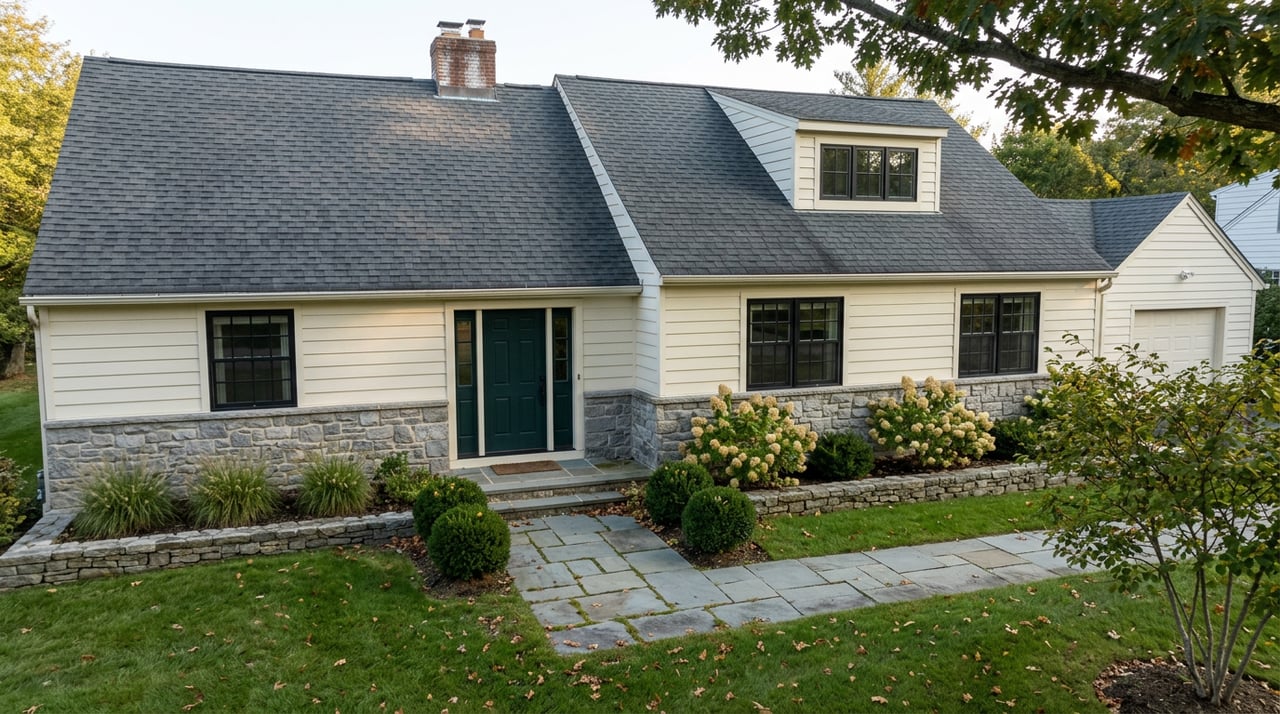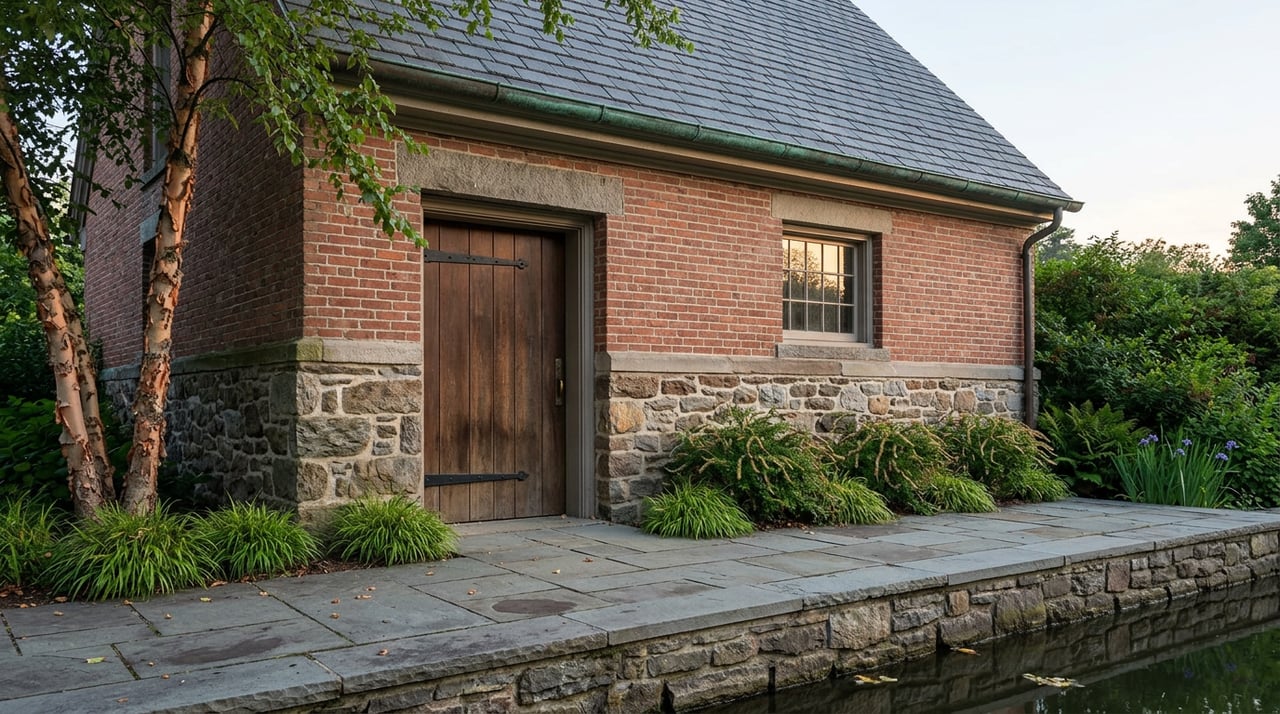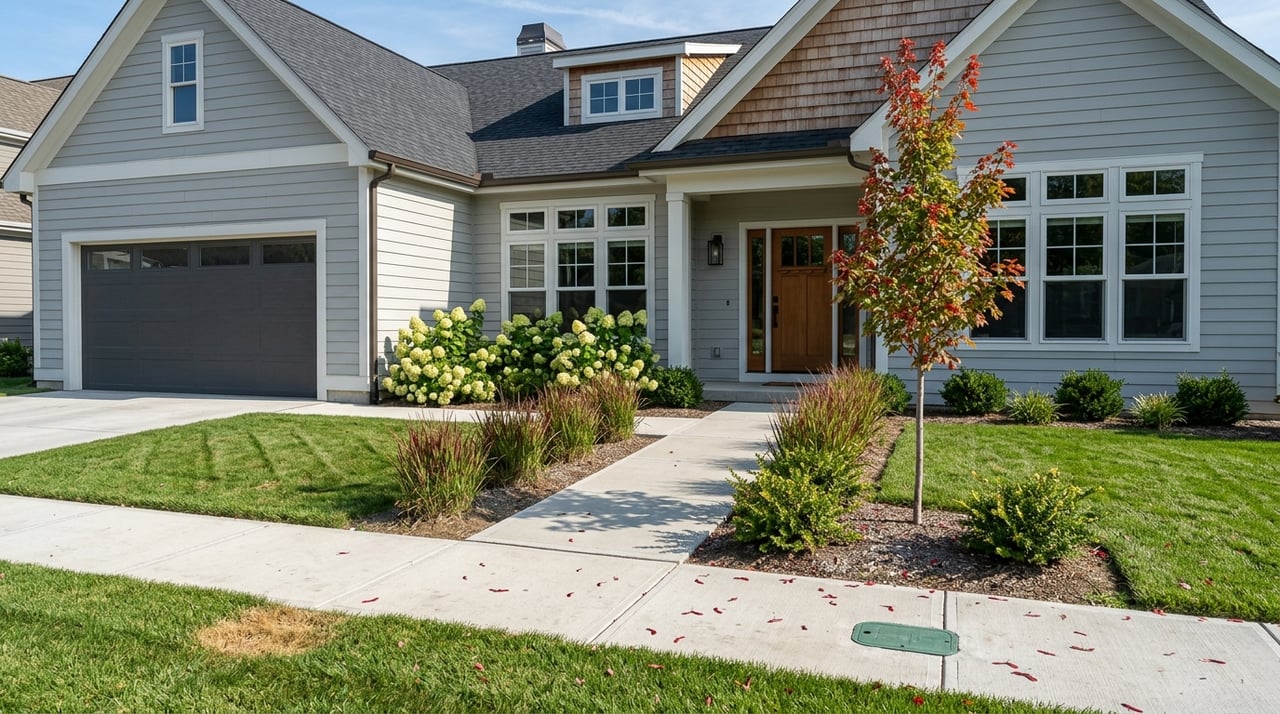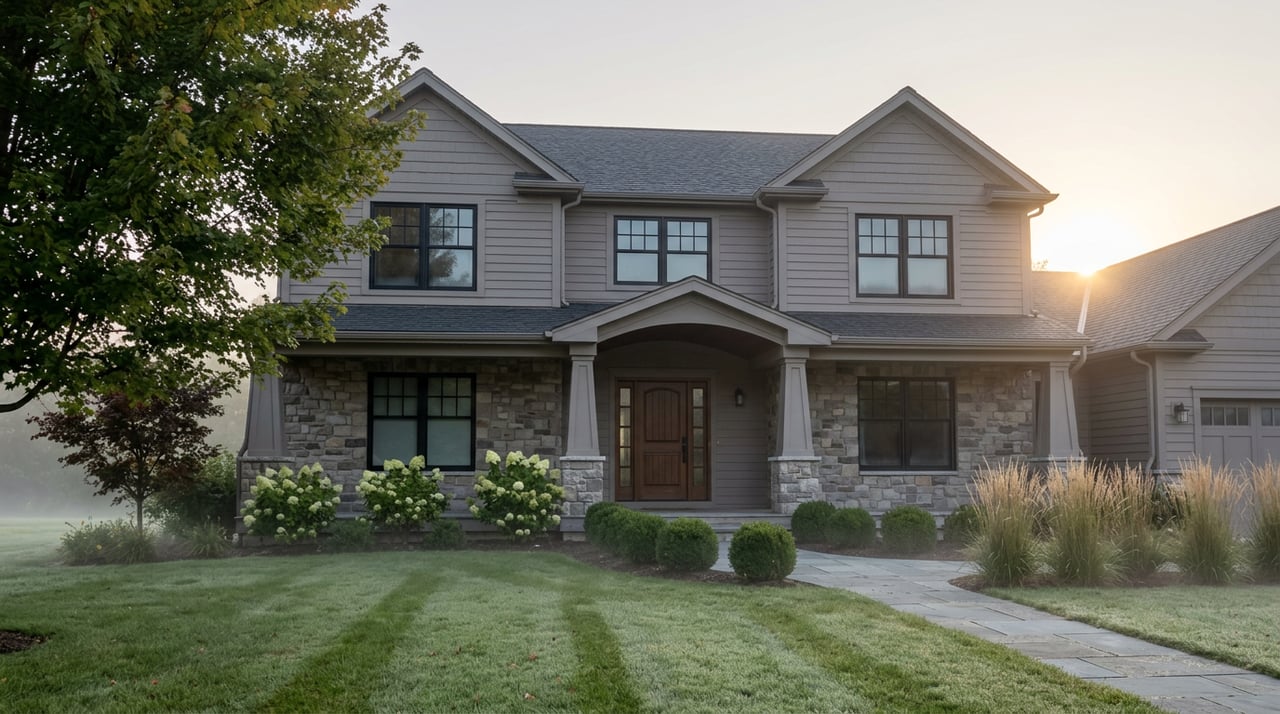
For most of this year, the storefront at 3 East Main Street sat behind paper, the same way it had for a long stretch after Jeff's Computer Shop closed for good. Then a sign went up. No phone number, no hours, just a name: Tabbouleh, and a line describing itself as "a new chapter in Mediterranean dining." There was no Facebook page yet, no completed Instagram feed, nothing to click on. For a few months, the only thing anyone in the village knew for certain was that something was coming, and that it wasn't going to be another computer repair shop.
That gap between the sign and the opening is worth sitting with, because it says something true about how the Village of Webster actually changes. It doesn't happen through new buildings going up on open land. It happens through old storefronts trading identities, sometimes for years at a stretch, until the right tenant walks in the door. Within about a year of each other, Webster picked up two restaurants that required no ground to be broken. One took over a vacant computer shop two blocks from the village center this past summer. The other had already taken a spot on the opposite side of town, on a commercial strip built for cars, not sidewalks. Together they say more about the shape of this town's growth than either one does alone.
The building that keeps changing its mind
Tabbouleh opened this past summer at 3 East Main, a family-run kitchen serving Mediterranean and Lebanese food with a Kurdish thread running through it. The family behind the counter traces its roots to Kyrgyzstan, and the menu reflects that layered background: tabbouleh salad, hummus made in house, shawarma, kofta kebab. It's open 11 a.m. to 9 p.m. daily, takes orders online, and sits close enough to the corner of South Avenue that parking is street or nearby lot, no different from anywhere else on that stretch.
What makes the location interesting isn't the food. It's the building's résumé. A few doors down, Cobblestone on Main occupies a cobblestone church built in the 1800s on a budget so tight that congregants gathered the stones themselves along the shore of Lake Ontario. That church was eventually sold and became an auto parts supply house, Webster Automotive Supply, before anyone thought to turn it into a restaurant. Main Street in Webster doesn't tend to build new. It waits for a building to run out of uses and then finds it one more.
That pattern matters if you live here, because it means the health of this stretch of village isn't measured by construction permits. It's measured by how fast an empty storefront gets picked back up, and by whom. A vacant computer shop becoming a Mediterranean kitchen isn't a coincidence. It's the mechanism this particular two blocks runs on.
The other kitchen isn't in that story at all
The other new arrival didn't follow that pattern, because it isn't on Main Street. Himalayan Kitchen, serving Indian, Nepali, and Hakka cuisine, opened at 1075 Ridge Road, a stretch of four-lane commercial corridor that has nothing in common with the walkable, historic core a mile or so south. The menu leans into that Hakka influence, a style shaped by generations of Han Chinese migration into Nepal and India, alongside more familiar curries, tandoori dishes, and momos, the savory dumplings that show up across that region's home cooking.
If you've lived in Webster for any length of time, you already know these are two different towns wearing the same zip code. Main Street is the two or three blocks people walk to on a Friday night. Ridge Road is where people drive when they need something specific and don't expect to linger. The fact that Webster picked up its first taste of Nepali-Hakka food on Ridge Road and, not long after, its first taste of Kurdish-Mediterranean food on Main Street, in two locations that don't share a sidewalk, tells you the town's food scene isn't expanding from one center outward. It's filling in two separate patterns of commerce on two different timelines, and neither one is waiting on the other.
What was already here isn't going anywhere
None of this displaced what Main Street has run on for decades. Golden Boys Family Restaurant has served breakfast and lunch out of 36 West Main for more than 40 years, with a Friday fish fry that's become its own kind of institution. The Filling Station, a family-friendly sports bar and grill at 77 East Main, and JoJo Bistro, a wine bar at 42 East Main built around shareable plates and a full bar, cover two different registers of a night out without stepping on each other. BC's Chicken Coop, open since November 2010 at 159 West Main, still does its slow-cooked ribs and home-style fried chicken with the same cornbread muffins it built its name on.
The new arrivals aren't replacing any of that. They're filling gaps that weren't food gaps so much as cuisine gaps, the kind that only get noticed once they're filled. A town can carry a strong lineup of pizza, pub food, and breakfast counters for years and still be missing tabbouleh and momos entirely, until it isn't.
The one thing on the calendar right now
None of this is only about restaurants. Mid-September in Webster means Schutt's Apple Mill, at 1063 Plank Road, is deep into its U-Pick season. The Schutt family has run the operation since 1918, four generations working roughly 70 acres that carry up to 30 apple varieties at the height of the season. Right now the pavilion is picking Sweet Maia and Premier Honeycrisp, with the list updating as new varieties come ready, and the U-Pick pavilion runs 10 a.m. to 4 p.m. It's the kind of seasonal marker that doesn't make headlines but shapes what a Saturday looks like for a lot of households in this town, the same way it has for more than a century.
What it adds up to
None of these four changes, a Mediterranean kitchen in a former computer shop, a Nepali-Hakka restaurant on Ridge Road, a fish fry that's outlasted four decades, an apple orchard cycling through its harvest list, happened because someone drew up a plan for what Webster's food scene should look like. They happened because a handful of families made separate bets on separate buildings in the same town, on their own timelines, without coordinating with each other. That's a more accurate picture of how this place grows than any single announcement could give you. It doesn't move in one direction. It fills in wherever there's room, on whichever street has the empty storefront.
If you've lived here a while, you've probably watched this happen more than once, a shuttered space sitting quiet for a year or two before someone finally sees what it could be. That's Webster's rhythm, and it's worth knowing if you're paying attention to what this town is becoming, whether that's out of simple curiosity or something more practical, like wondering what a house near this stretch of Main Street might be worth in a market that keeps proving it still has room to grow into.
If you're weighing a move in or around the village, or just want a second opinion on what a specific block is really like day to day, Bonnie Pagano and her team spend enough time on these streets to tell you which storefronts are worth watching. Reach out any time.